
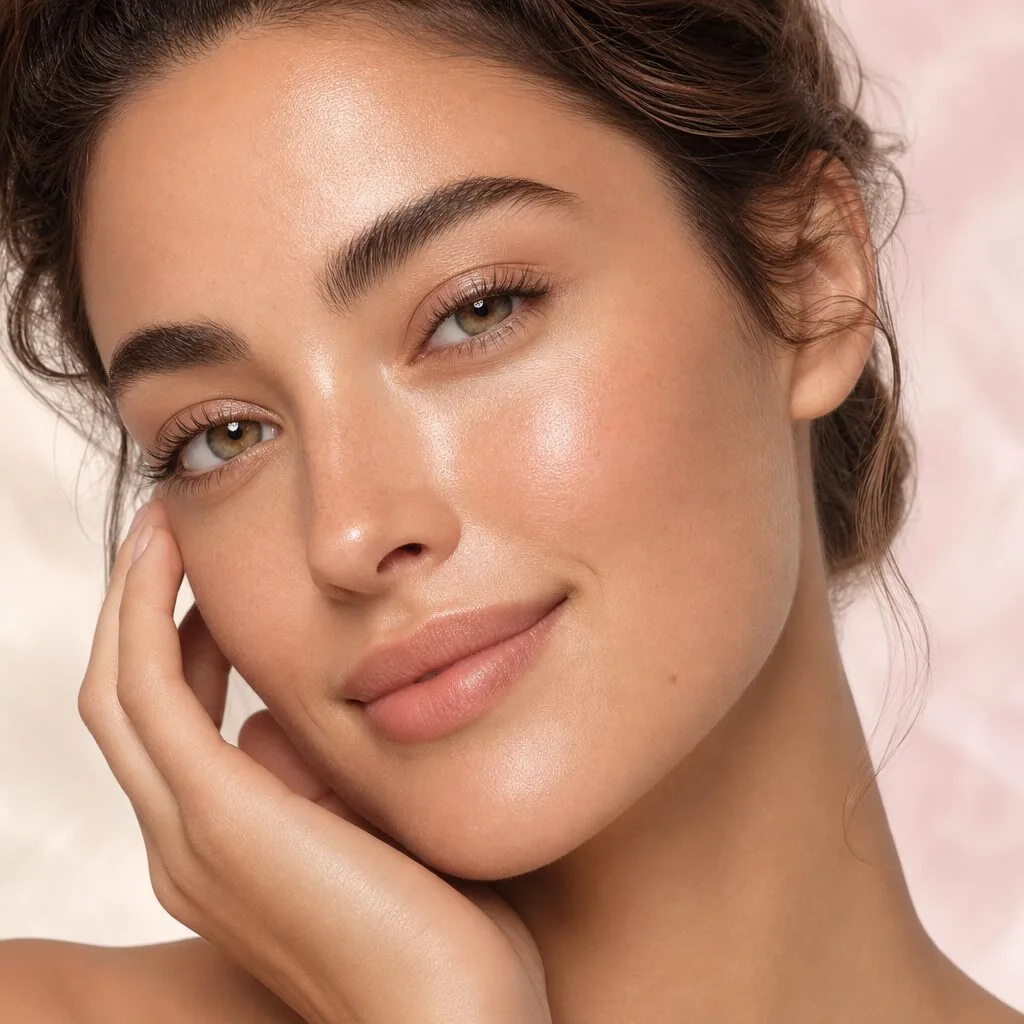
Neck & Décolleté Resurfacing
For tone, texture, and firmness
Individual results vary
Fine lines, rougher texture, sun damage, lingering acne scars, visible pores, uneven tone, or skin that looks tired even when you are not.
You are not just looking for a laser. You are looking for healthier, smoother, more confident skin.
UltraClear is an advanced cold fiber laser platform used to improve the appearance of skin texture, tone, fine lines, sun damage, acne scars, enlarged pores, and overall skin quality.
It works through fractional resurfacing, treating tiny controlled zones of skin while leaving the surrounding skin untouched to support faster, more predictable healing. Over the following weeks and months, this can prompt collagen remodeling, the gradual process in which the skin forms and reorganizes collagen.
Its adjustable modes and settings span lighter renewal through deeper resurfacing.
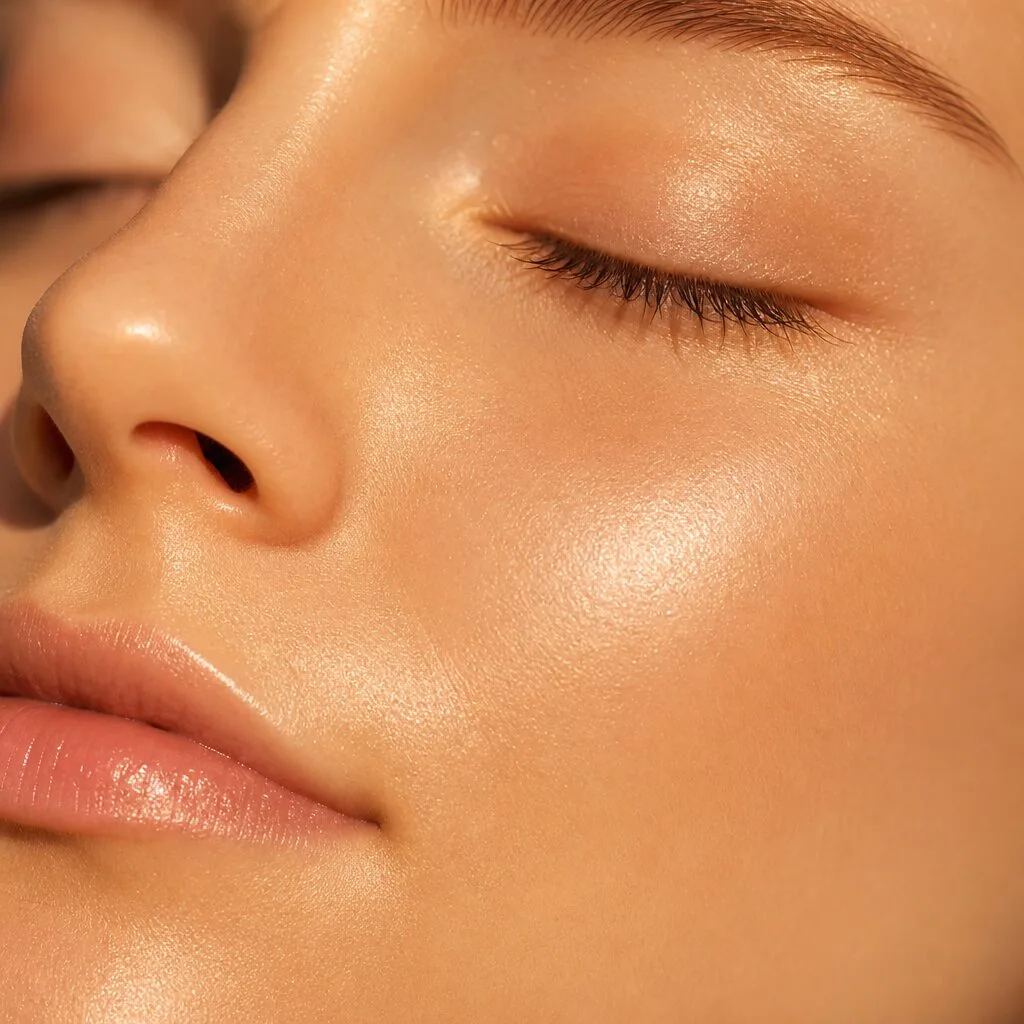
Neck & Décolleté Resurfacing
For tone, texture, and firmness
Individual results vary
Advanced Resurfacing
For laxity, tone, and texture
Individual results vary
A few design choices, explained in plain language, are what let UltraClear treat so precisely and adapt to so many different needs. For each one, the question that matters is simple: what does it mean for you?
UltraClear delivers energy at approximately 5,000 pulses per second. That speed allows the laser to deliver many very small pulses rather than relying on one larger pulse.
Why it matters: This micro-pulsed delivery may help create precise treatment channels and cleaner ablation while helping limit unwanted thermal spread, supporting greater treatment control and improved comfort.
One of UltraClear's distinctive capabilities is the ability to add controlled heat to a treatment when it is clinically appropriate. The treating clinician can select among different coagulation levels, gently adding heat to the surrounding tissue while maintaining the precision of fractional treatment.
Why it matters: Controlled heat may increase collagen remodeling and may contribute to improvements in skin firmness and mild to moderate laxity. It also changes the recovery profile, so the level is chosen to balance treatment effect, healing, comfort, and safety for each patient. More heat is not automatically better.
UltraGlide uses an in-motion scanning pattern rather than repeatedly treating one stationary area. Its randomized delivery pattern helps distribute energy across the skin while reducing localized thermal load.
Why it matters: This may allow smoother transitions between treated and untreated areas, feathering at the edges, and more efficient treatment of larger surface areas and the body. It may also be considered for selected pigmentation concerns and selected darker skin types when clinically appropriate.
Laser Coring uses the same laser technology but delivers the energy in a different pattern, creating a broader treatment channel within the skin. This allows more tissue to be treated with each pass while maintaining precision.
Why it matters: The result may be greater collagen remodeling and more significant skin tightening and rejuvenation in appropriately selected patients, depending on skin quality, anatomy, treatment intensity, and the broader treatment plan.
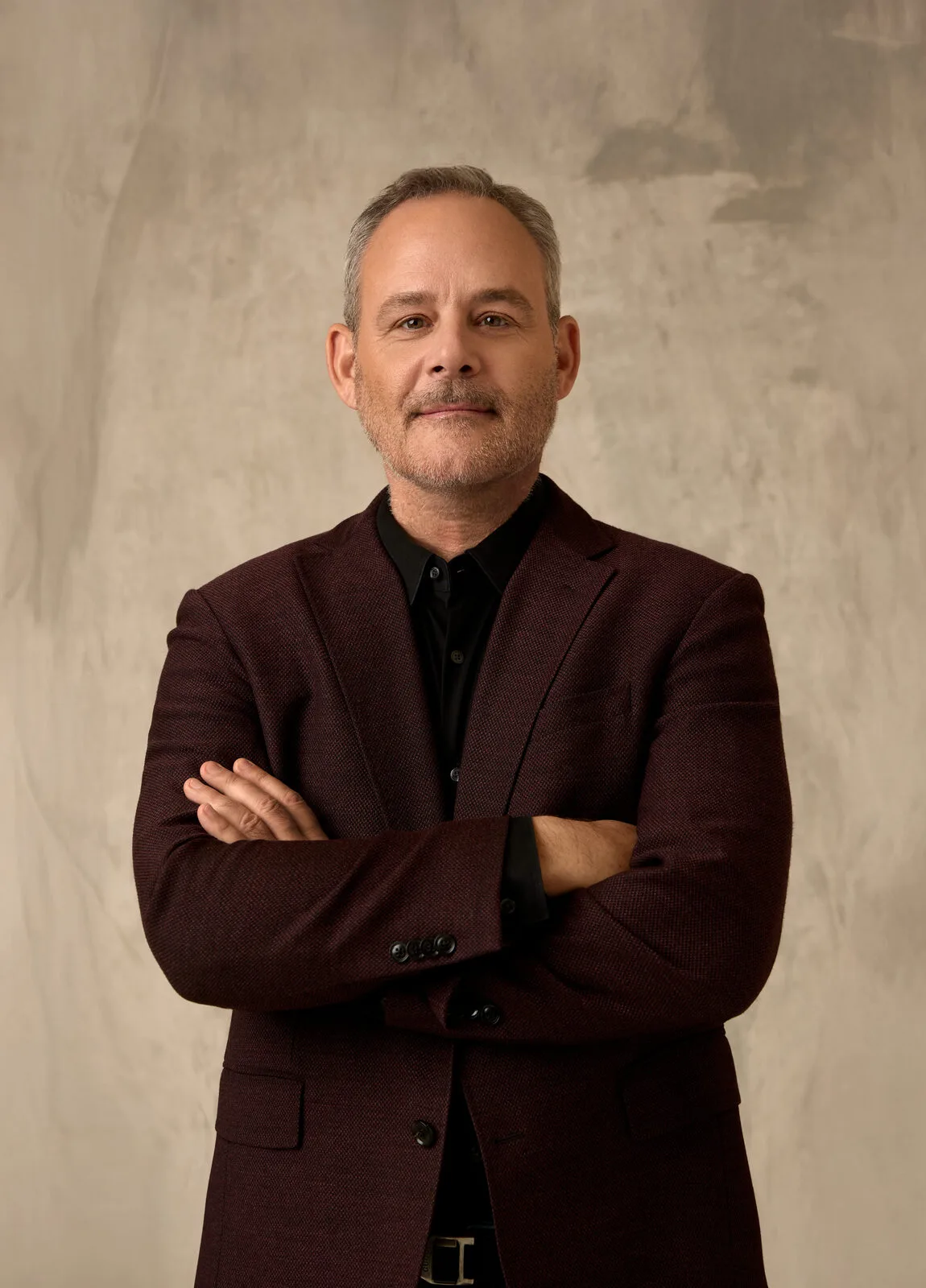
Dr. Gerrish has collaborated with UltraClear's engineers on the development and refinement of newer treatment modes, including the latest Laser Coring approach, and he continues to participate in emerging laser technology and beam-profile innovation. That direct involvement is part of why his technical perspective shapes how each treatment is planned.
Depth, energy, density, coagulation, and treatment pattern shape the session and its recovery profile.
3D MIRACL
A lighter, more superficial level for surface renewal, subtle texture, and ongoing maintenance.
Deeper Resurfacing
A more substantial level for established texture, fine lines, sun damage, and pigmentation concerns.
UltraGlide
An in-motion mode suited to feathering, larger surface areas, body treatment, and selected pigmentation or darker skin types when appropriate.
Laser Coring
A more intensive mode that delivers energy in a broader pattern to engage more tissue and support greater collagen remodeling.
“UltraClear is powerful because it is not one fixed treatment. The value comes from understanding how speed, depth, density, pulse width, coagulation, and scanner pattern can be adjusted for the patient in front of us.”Dr. Scott Gerrish
UltraClear may address the surface, scar, pigment, and laxity concerns below.
Selection depends on the concern being treated, skin type and pigmentation risk, scar or surface characteristics, prior treatment, and the desired intensity and recovery window. These factors also guide whether UltraClear is used alone, combined with another modality, or replaced by a different approach.
Topical numbing cream is typically applied beforehand. A session generally takes about thirty minutes to an hour, depending on area and intensity. Most patients describe warm prickling during treatment; afterward, skin usually looks flushed and feels warm, similar to a sunburn.
Recovery varies with treatment intensity, area, and individual healing response. The pattern below is typical.
Immediately after
Redness and warmth are expected, and swelling may begin.
First 24 to 48 hours
Swelling and redness may increase, skin may feel warm or tight, and pinpoint crusting or bronzing may appear depending on treatment intensity.
Days 3 to 5
Peeling, dryness, or bronzing may become more noticeable, while swelling generally begins improving.
Days 5 to 7 and beyond
Surface healing continues and redness may persist depending on intensity, while skin quality keeps developing over the following weeks and months.
Every treatment has considerations that depend on your health, anatomy, skin type, medications, and goals. We review these before recommending care and again before treatment.
Skin type, pigmentation risk, and treatment intensity are reviewed before treatment because they affect both safety and recovery.
Read our safety and suitability guide.UltraClear addresses resurfacing goals such as texture, tone, fine lines, pigmentation, and surface quality. It may stand alone, follow deeper collagen remodeling, complement injectables, or form part of layered rejuvenation.
Commonly considered with
You do not need to know whether this is the right treatment before you arrive. That is exactly why the consultation comes first.
Some patients see meaningful change after one session; others benefit from a series. The number depends on the concern, skin, and treatment intensity.
Some improvement may be visible once initial healing settles, and because collagen remodeling continues afterward, skin quality often keeps improving for several months.
Yes. Acne scarring is a common reason patients consider UltraClear, although improvement depends on the scar type and depth.
UltraClear can be used across a wide range of skin tones. Modes such as UltraGlide may help when lower localized thermal load is preferred, but skin type and pigmentation risk still affect candidacy.
Lighter treatments may involve only temporary redness; deeper resurfacing may require several days of visible healing before normal activities feel comfortable.
Consultation establishes the resurfacing goal, appropriate treatment depth and intensity, and a realistic recovery window.
Learn how Matrix Pro complements laser resurfacing by addressing deeper collagen remodeling and skin firmness.
Learn MoreSee how UltraClear may become one part of Dr. Gerrish's layered rejuvenation strategy when multiple aspects of aging are being treated.
Learn MoreLearn how selected regenerative topicals may be applied after resurfacing when clinically appropriate.
Learn MoreUnderstand how the regenerative plan follows the depth and intensity at which a treatment is performed.
Learn MoreLearn how we determine whether UltraClear is the right place to begin or whether another treatment should come first.
Learn More