

The change is usually gradual.
Most people do not notice a dramatic moment of loss. They notice small changes that add up: a photo taken in bright light, extra strands after washing, styling that takes more effort than it used to. By the time thinning is visible in the mirror, the biology behind it has often been changing for some time.
A part that looks wider than it used to
More visible scalp in bright light or photos
A hairline that is gradually moving back
A ponytail that feels thinner
More strands left behind after brushing or washing
Hair that feels finer, weaker, or slower to grow
Hair loss is a symptom, not a diagnosis.
The thinning you see is what you notice. The reason behind it is what a medical evaluation seeks to understand, and the two are not the same thing.
Hair loss is often treated as a purely cosmetic problem, which skips the most important question. The same visible thinning can be driven by very different things, and sometimes by several at once.
Contributing factors may include
- Genetic pattern hair loss
- Hormonal changes
- Thyroid function
- Nutritional deficiencies
- Metabolic health
- Medications
- Acute illness or significant stress
- Rapid weight loss or restrictive dieting
- Scalp conditions
- Traction or styling-related damage
This is not a checklist to work through. It is the reason identifying contributing factors is part of responsible treatment planning, rather than reaching for a product and hoping it fits.
Are the Follicles Still Viable?
Preserving a struggling follicle is biologically different from attempting to recreate one that is no longer present.
We are often treating future hair.
Hair restoration is unusual among aesthetic concerns. Patients understandably focus on the thinning they see today, but much of the clinical work is about the hair you will still have years from now.
Slowing miniaturization, correcting contributors, and supporting follicles that remain viable are quiet forms of progress. They may not change the mirror this month, yet they can meaningfully change what the next decade looks like.
Preserving what remains is often more important than trying to replace what has been lost.
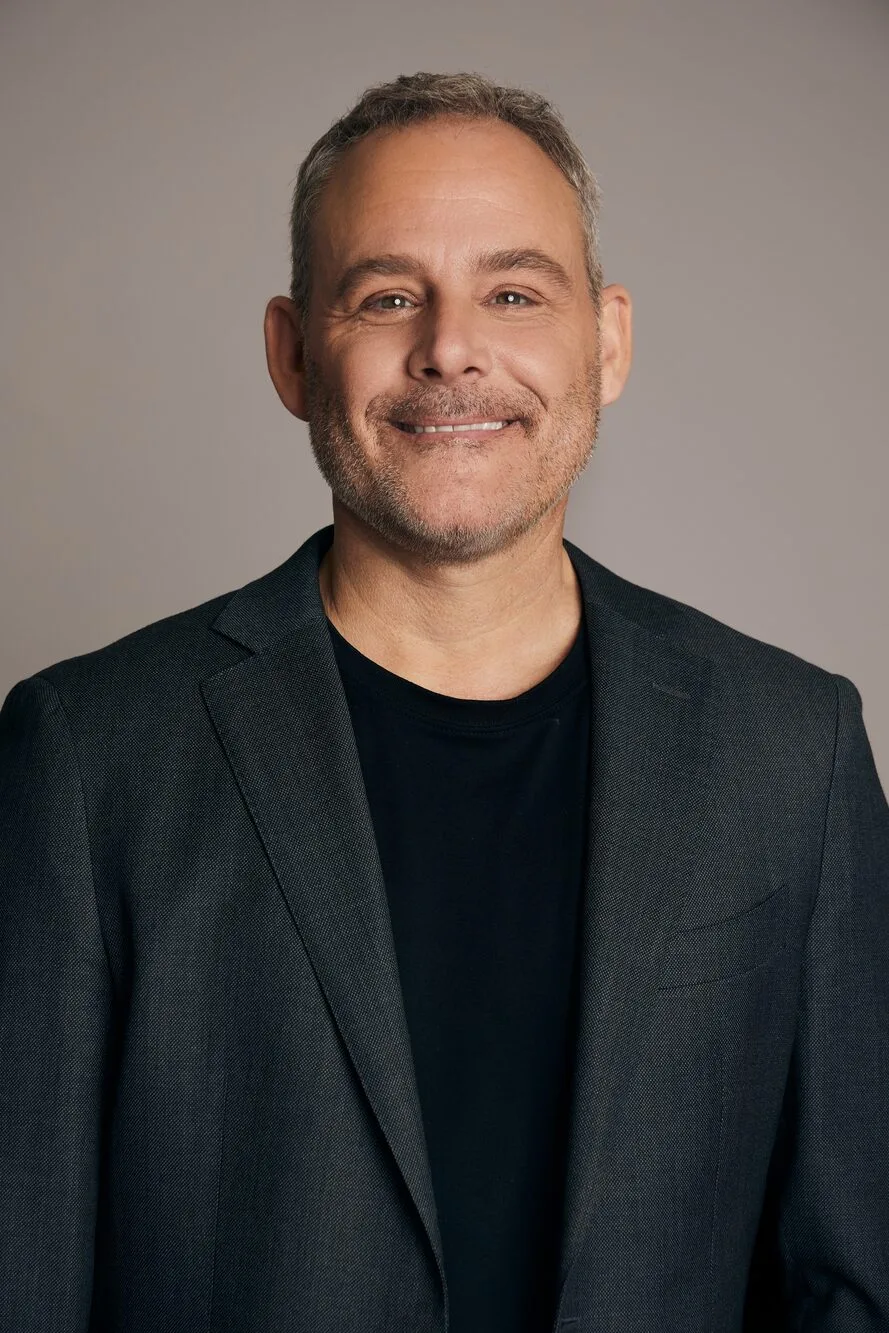
A medical evaluation before a treatment plan.
Because hair loss can have several contributors, the evaluation comes first. Not every patient requires every test. The purpose is to understand what type of hair loss appears to be present, what may be driving it, and what a realistic plan should address.
- Your medical history and medications
- The pattern, pace, and distribution of thinning
- Examination of the scalp and hair
- Laboratory evaluation when appropriate
- Hormonal and nutritional considerations
- How your hair has responded to anything tried before
Hair Restoration Often Works on More Than One Front
- Address the Cause
- Hormonal, nutritional, genetic, inflammatory, medication-related, stress-related, and other contributors shape the plan.
- Support Viable Follicles
- When follicles remain viable, treatment may focus on supporting and preserving their function.
- Improve the Follicular Environment
- Scalp health, circulation, inflammation, and nutrition may influence the environment surrounding the follicle.
- Preserve Progress
- Protecting remaining hair and slowing further loss may be as important as regrowth.
- Reassess Over Time
- Hair changes slowly, so the plan is reviewed and adjusted as your response becomes clear.
These are tools within a strategy, not a menu of treatments to choose from independently. Which of them belongs in your plan, if any, is determined by the evaluation.
Medical therapies
Established medications such as minoxidil and finasteride may be appropriate for some patients, depending on the type and stage of hair loss. They typically require consistent use, and discontinuing them may mean losing the benefit they maintained. Whether either fits your situation, including risks, contraindications, and reproductive considerations, belongs in consultation.
Nutritional correction
Deficiencies in areas such as protein, iron, vitamin D, or zinc may contribute to shedding or impaired growth. The goal is to identify and correct what is actually deficient, not to cover the question with indiscriminate supplementation. Supplements do not cure genetic hair loss.
Regenerative strategies
Regenerative approaches may support the environment surrounding viable follicles, following the same philosophy described on our Regenerative Aesthetics page. They are potential components of a broader plan, not replacements for diagnosis or established medical therapy.
Energy-based support
Supportive technologies may influence the follicular environment. One example is the PEMF Cap, a wearable device co-developed by Dr. Robert Dennis and Dr. Scott Gerrish that is designed to support the body's natural hair-growth processes, building on ICES technology developed by Dr. Dennis and clinical research, protocol development, and practical application led by Dr. Gerrish. Like every tool here, its role depends on the overall plan.
Lifestyle and stress
Sleep, nutrition, scalp care, and stress each influence the hair-growth cycle. Stress is rarely the whole explanation, and you should never be dismissed with "it is just stress," but it can be one contributor among several worth addressing. Internal factors such as hormones can matter too, which is why hormone evaluation is sometimes part of the conversation.
Transplant support, when appropriate
When transplantation enters the picture, medical evaluation, preparation of the scalp, and protection of the surrounding native hair remain important before and after the procedure.
Watch & Learn: Hair Thinning and PEMF
A physician-led educational video series with Dr. Scott Gerrish on hair thinning and how PEMF may fit within an individualized hair restoration plan. StimuField was co-developed by Dr. Robert Dennis and Dr. Scott Gerrish, building on ICES technology developed by Dr. Dennis and clinical research, protocol development, and practical application led by Dr. Gerrish.
Why Does Hair Thin Over Time?
Dr. Scott Gerrish explains the common reasons hair may thin gradually, and why understanding the underlying cause matters before choosing any treatment.
The Biology Behind PEMF
Dr. Scott Gerrish discusses the biology behind pulsed electromagnetic field technology and how it may support the follicular environment.
Is PEMF Right for You?
Dr. Scott Gerrish explains who may be considered for PEMF, why results depend on the underlying cause, and why an individualized evaluation comes first.
View the full seven-part Hair Thinning and PEMF series
Disclosure: Dr. Gerrish serves as Chief Medical Officer of StimuSIL, the company behind StimuField, and holds an equity interest in the company.
Hair changes slowly.
Hair grows in long cycles, and shedding and regrowth take time to shift. Visible change usually requires months, not weeks, and because every situation differs, no universal timeline applies.
One idea deserves particular emphasis: stabilization has value. If thinning that was steadily progressing stops progressing, that is a meaningful clinical result, even before any new density becomes visible. Patients who understand this tend to judge their progress more fairly.
Maintenance may be necessary to preserve improvement, results vary from person to person, and no outcome can be guaranteed. Physician follow-up matters, because the plan is adjusted as your response becomes clear. Hair restoration is usually a process, not an isolated event.
Transplantation and preservation.
When follicles have been permanently lost and adequate donor hair exists, transplantation may be the appropriate restorative option.
A transplant relocates healthy follicles but does not correct the biology causing ongoing loss. Protecting the surrounding native hair may remain important before and after transplantation.
Frequently Asked Questions
Begin with a conversation.
A consultation helps determine which options belong in your plan and what may be more appropriate.
Continue Learning
Regenerative Aesthetics
See the philosophy behind supporting the body's own repair processes across our care.
Learn MorePEMF Cap
See how a wearable, drug-free device is designed to support natural hair growth.
Learn MoreHormone Optimization
Understand how internal factors like hormones may influence hair health.
Learn MoreThe Consultation Experience
See how a physician evaluation determines where to begin and which approach fits your anatomy and goals.
Learn More